Cation exchange
Strong Acid Cation Exchange Resin 001×7
1.8–1.95mmol/mL volumetric capacity
0.40–0.70mm effective bead size
120 °CMax. operating temperature (H⁺)
View spec sheet
Sulfonic capacity that survives fouling, oxidation and osmotic shock.
Overview
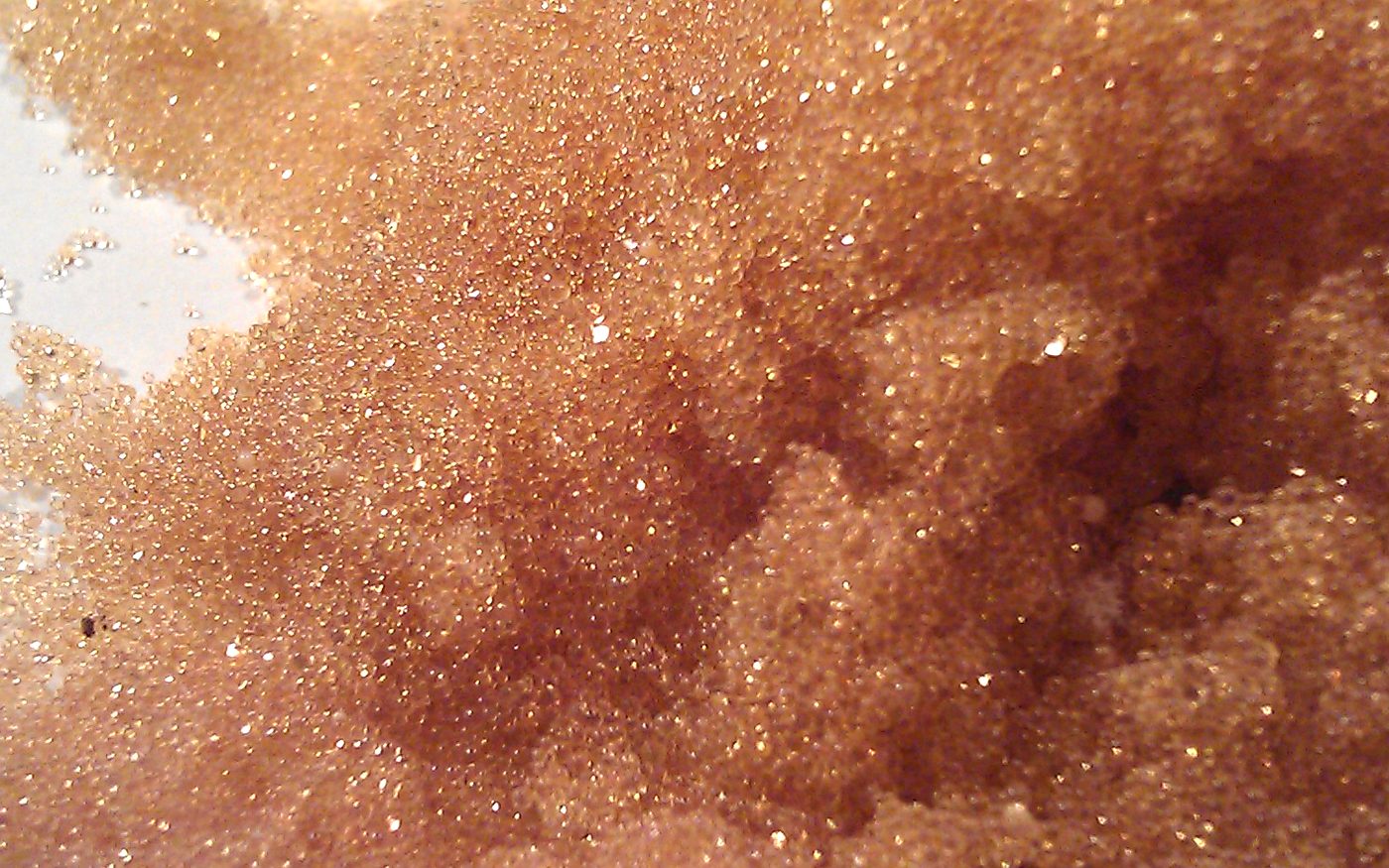
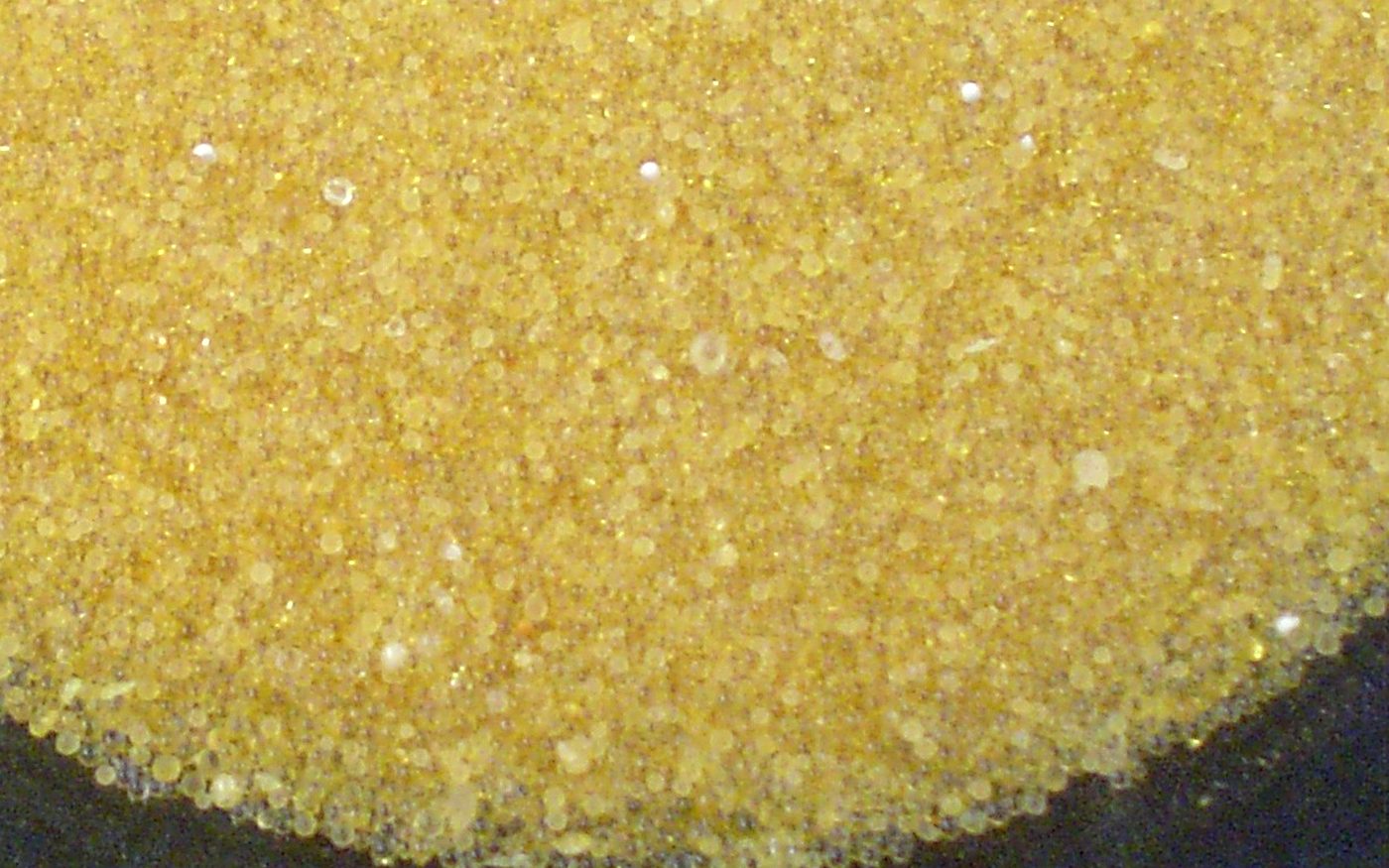
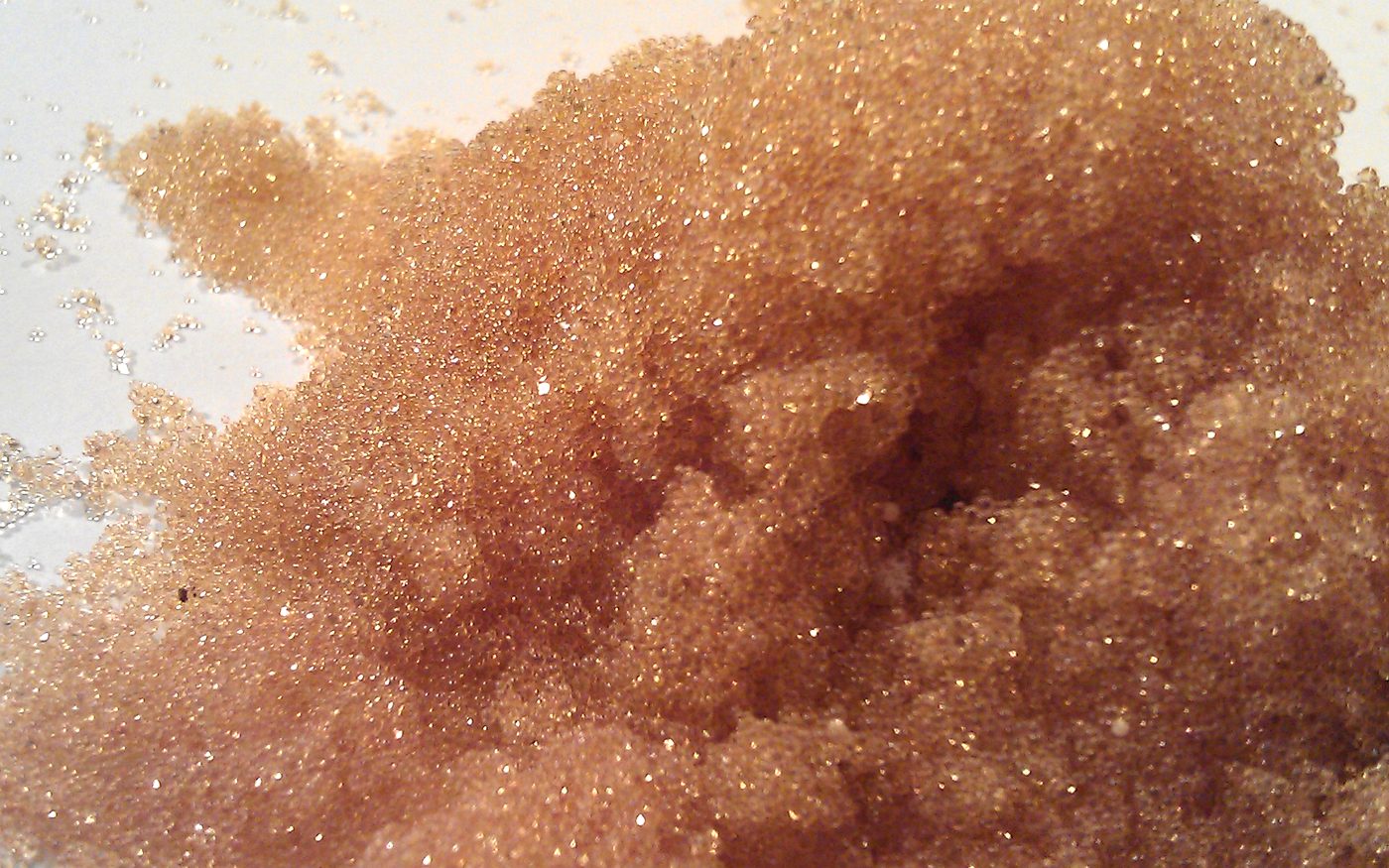
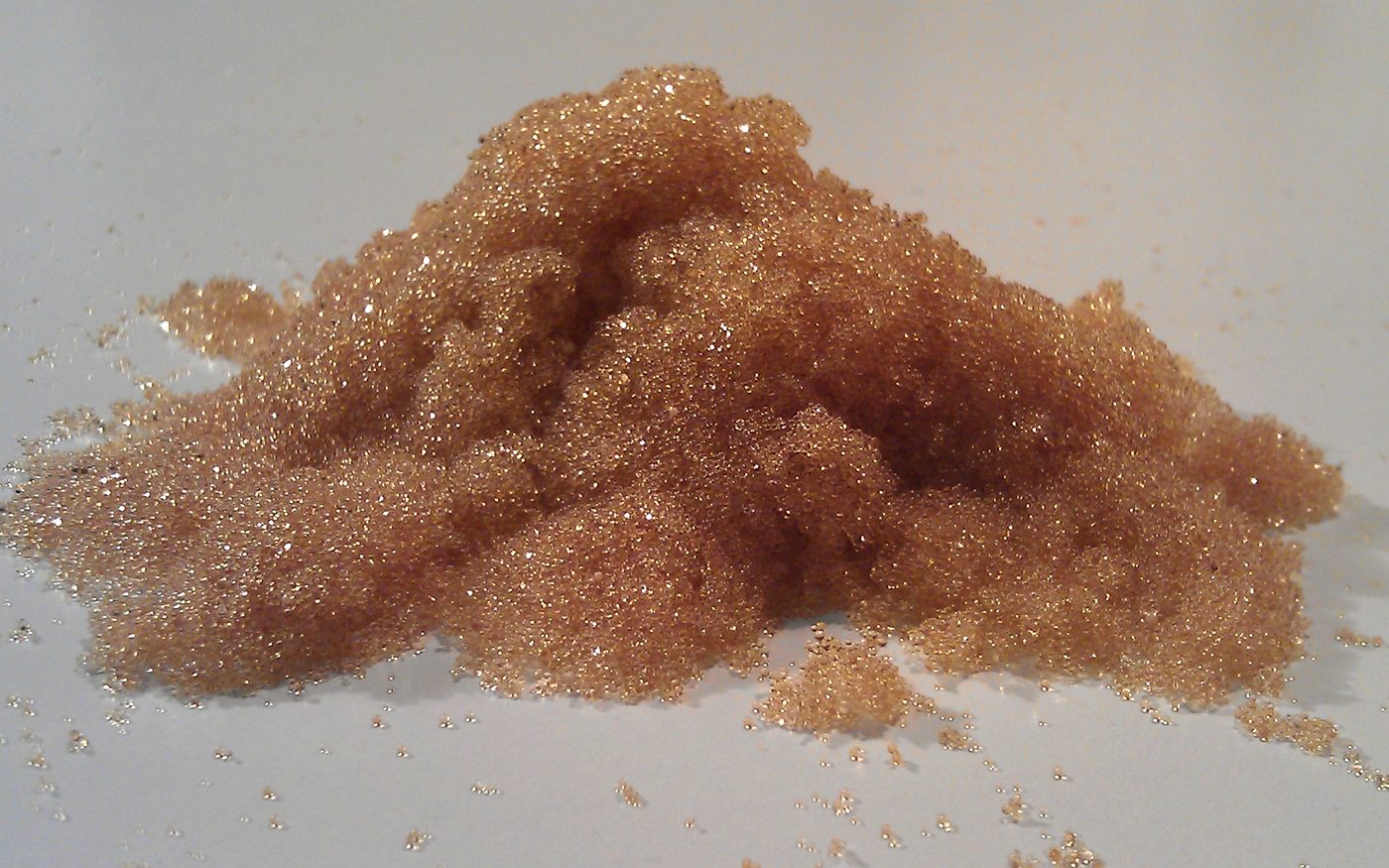
A macroreticular sulfonic acid resin built on a permanent pore structure rather than a gel matrix. The rigid pores tolerate high molecular weight organics, residual chlorine and repeated osmotic cycling, which makes it the practical choice for surface-water softening, condensate polishing and acid catalysis in organic media.
Batch certificate of analysis is issued for every production lot and sent before shipment on request.
Technical data
Typical values for the grade as shipped. Tolerances are confirmed on the batch certificate. Tell us if you need a tighter bead-size cut or a different ionic form.
| Polymer matrix | Styrene–divinylbenzene copolymer, macroporous |
|---|---|
| Functional group | Sulfonic acid (–SO₃H) |
| Ionic form as shipped | Na⁺ (H⁺ form on request) |
| Total exchange capacity | ≥ 1.60 mmol/mL; ≥ 4.20 mmol/g dry |
| Moisture content | 50–60 % |
| Bulk density | 720–790 g/L |
| Specific surface area | 25–40 m²/g |
| Effective bead size | 0.40–0.70 mm |
| Uniformity coefficient | ≤ 1.60 |
| Whole beads | ≥ 95 % |
| Max. operating temperature | 120 °C |
| pH range | 0–14 |
| Regeneration | 8–10 % NaCl; 4–6 % HCl |
Values are typical for standard production and are not a substitute for the batch certificate of analysis. For potable-water, food-contact or nuclear applications, request the compliance file before ordering.
Related grades
Next step
One working day is usually enough for a first recommendation with a price and a lead time. Tell us the application, the flow rate and the target quality — or paste the datasheet you are trying to match.