Cation exchange
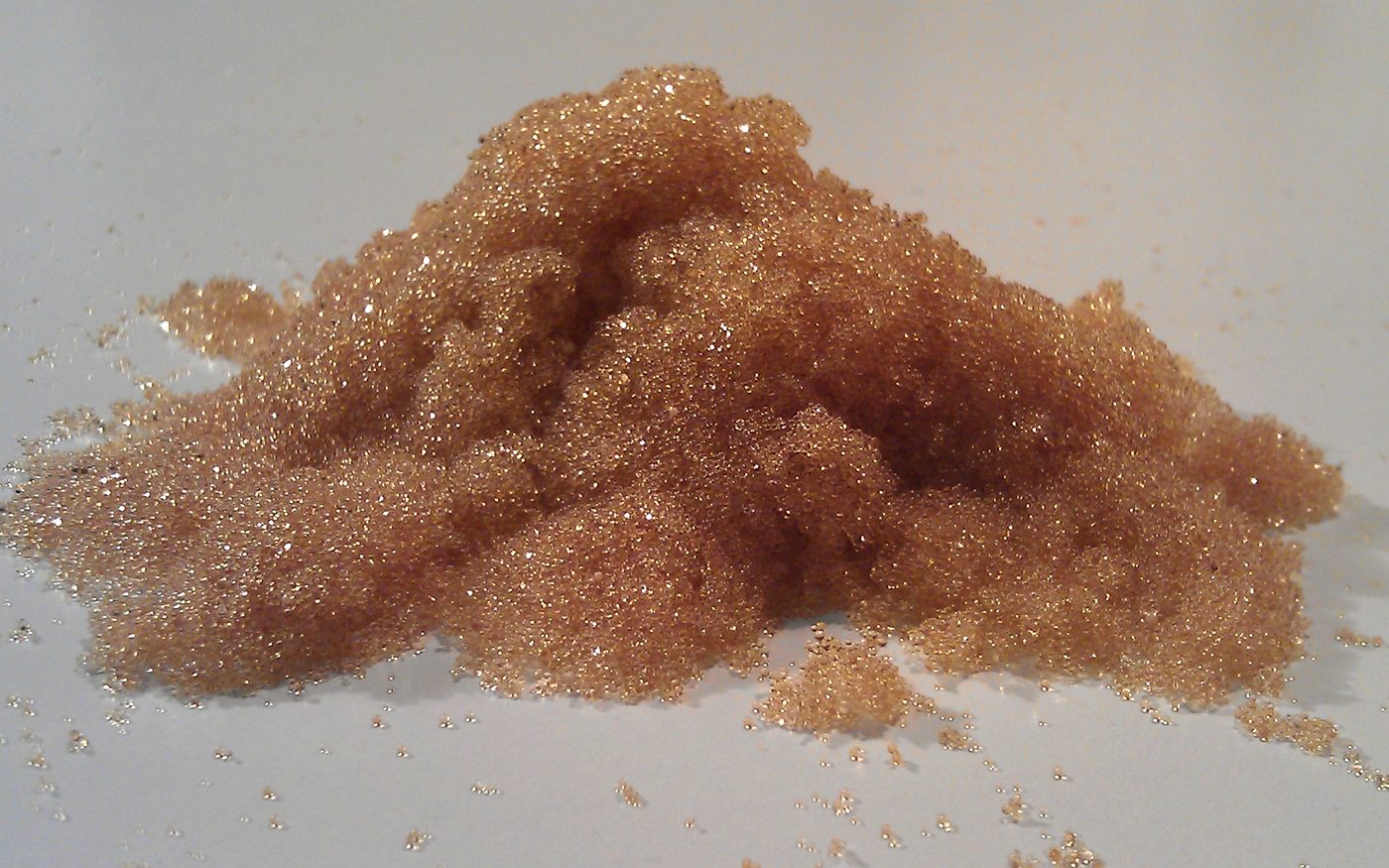
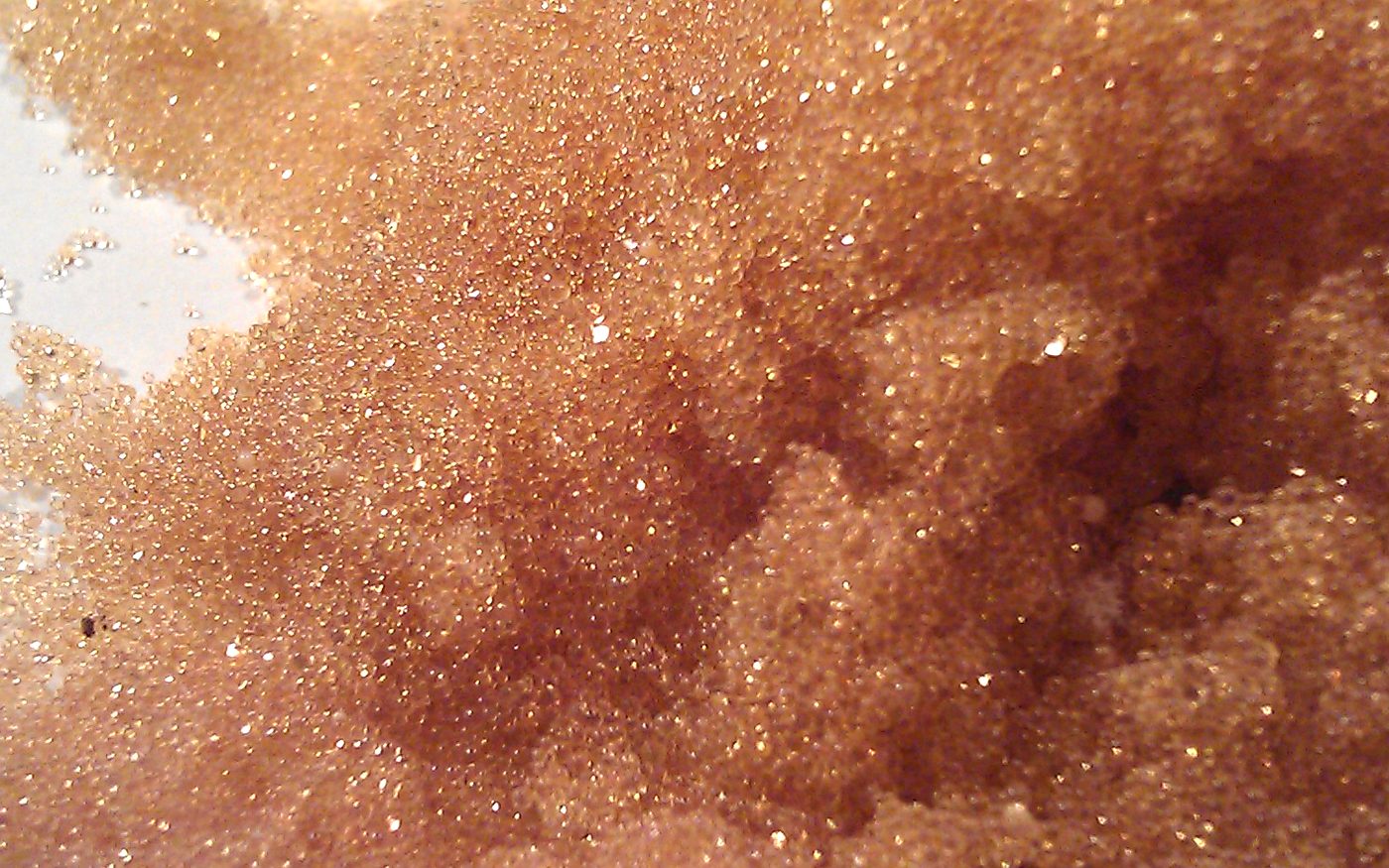
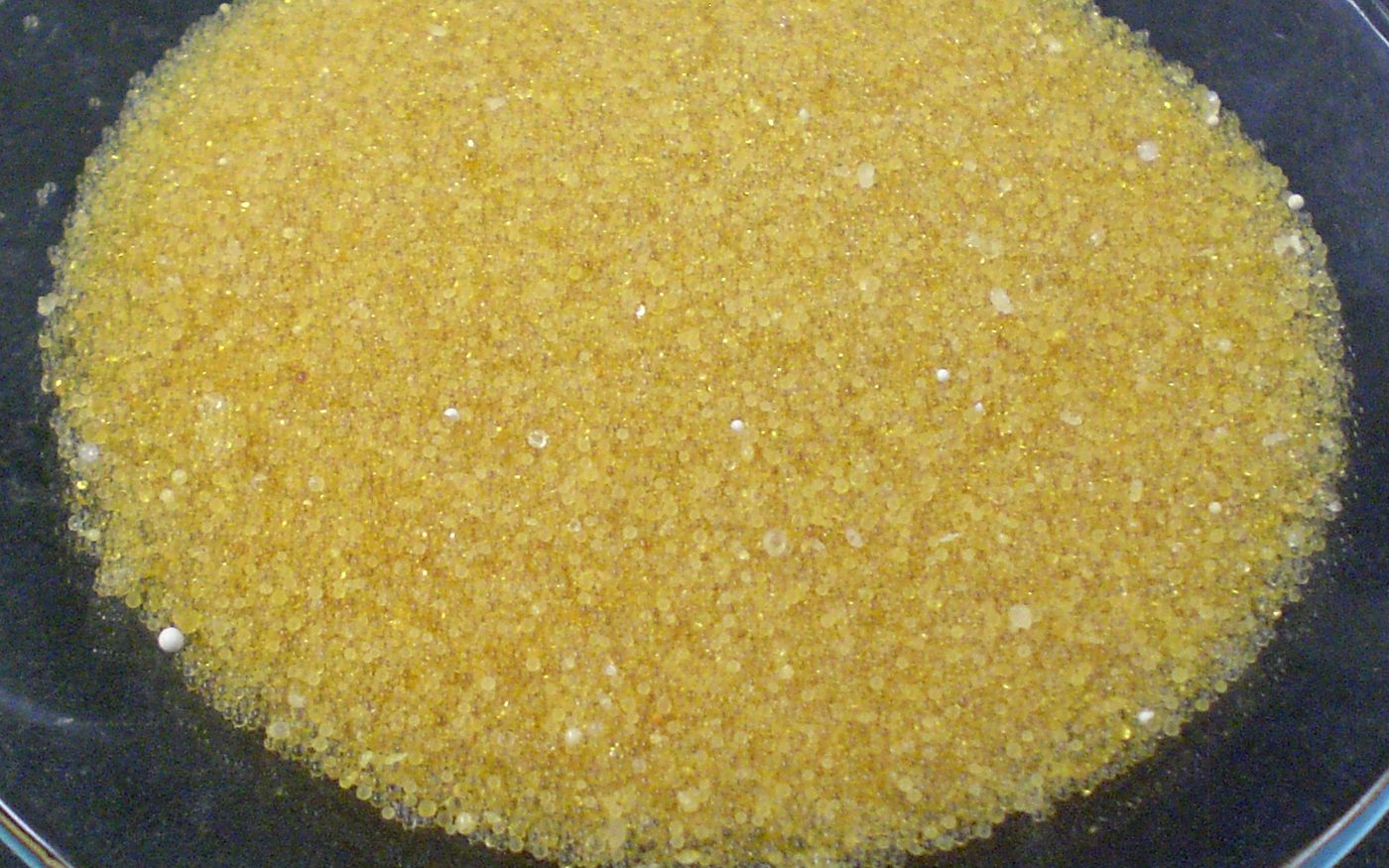
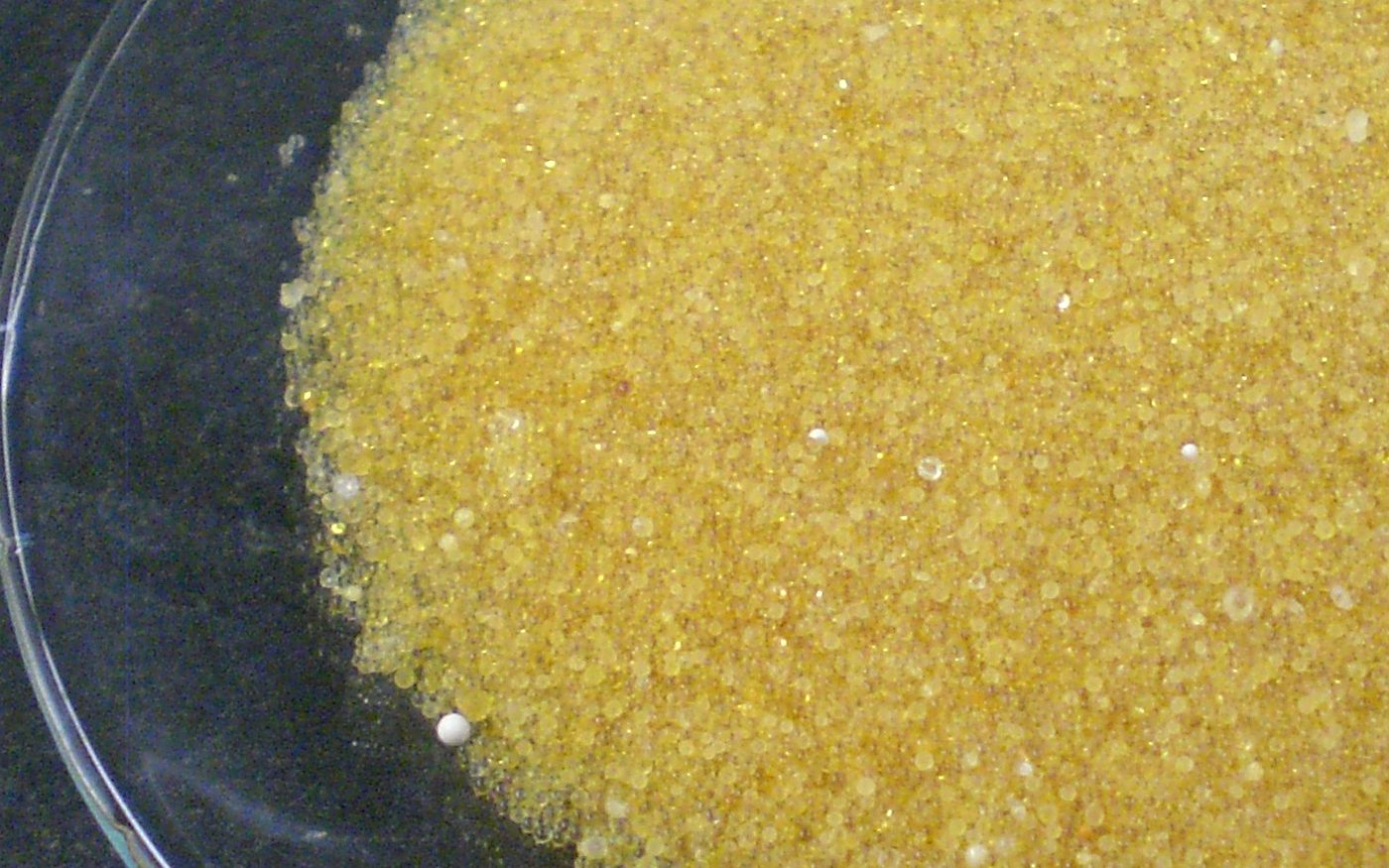
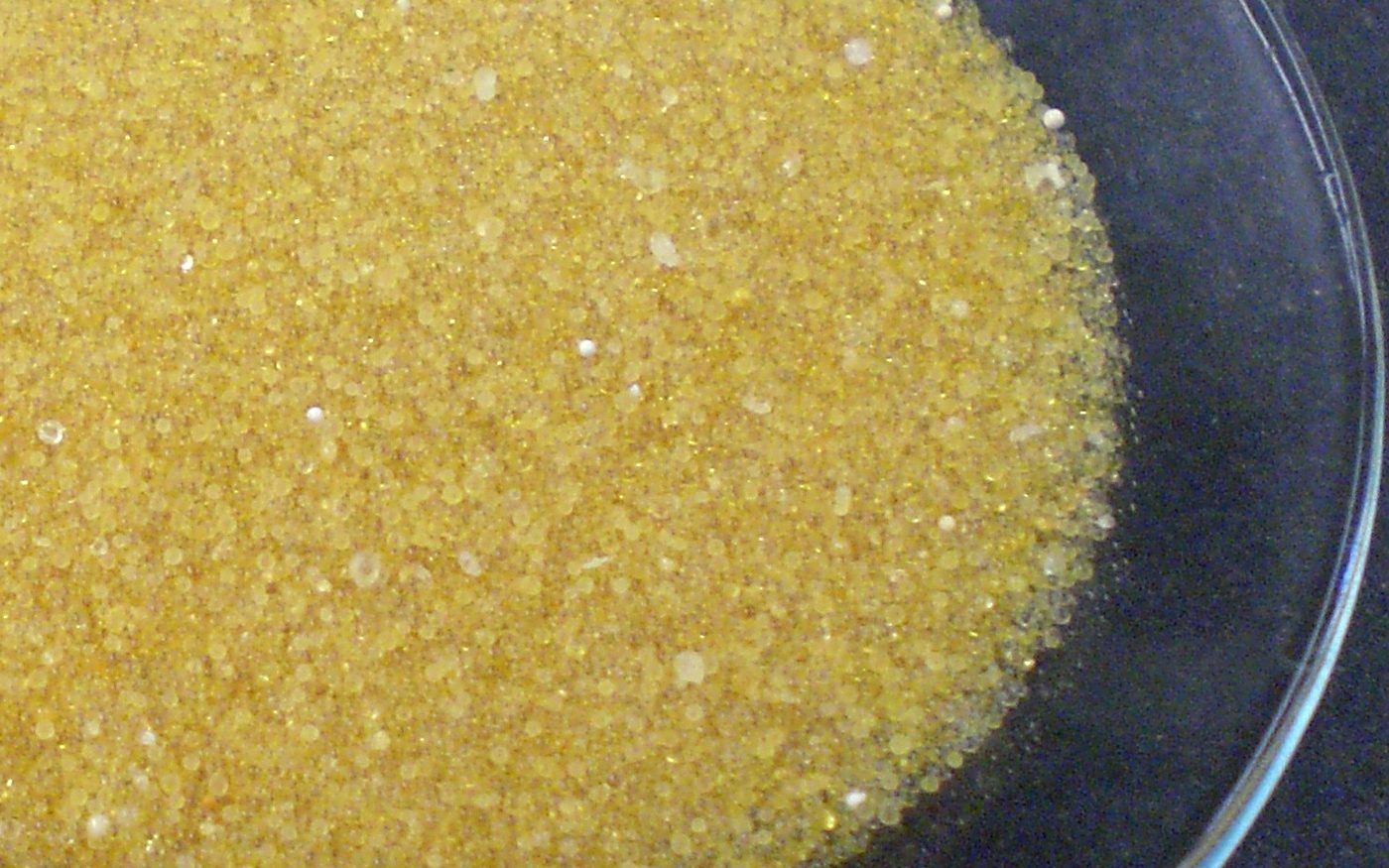
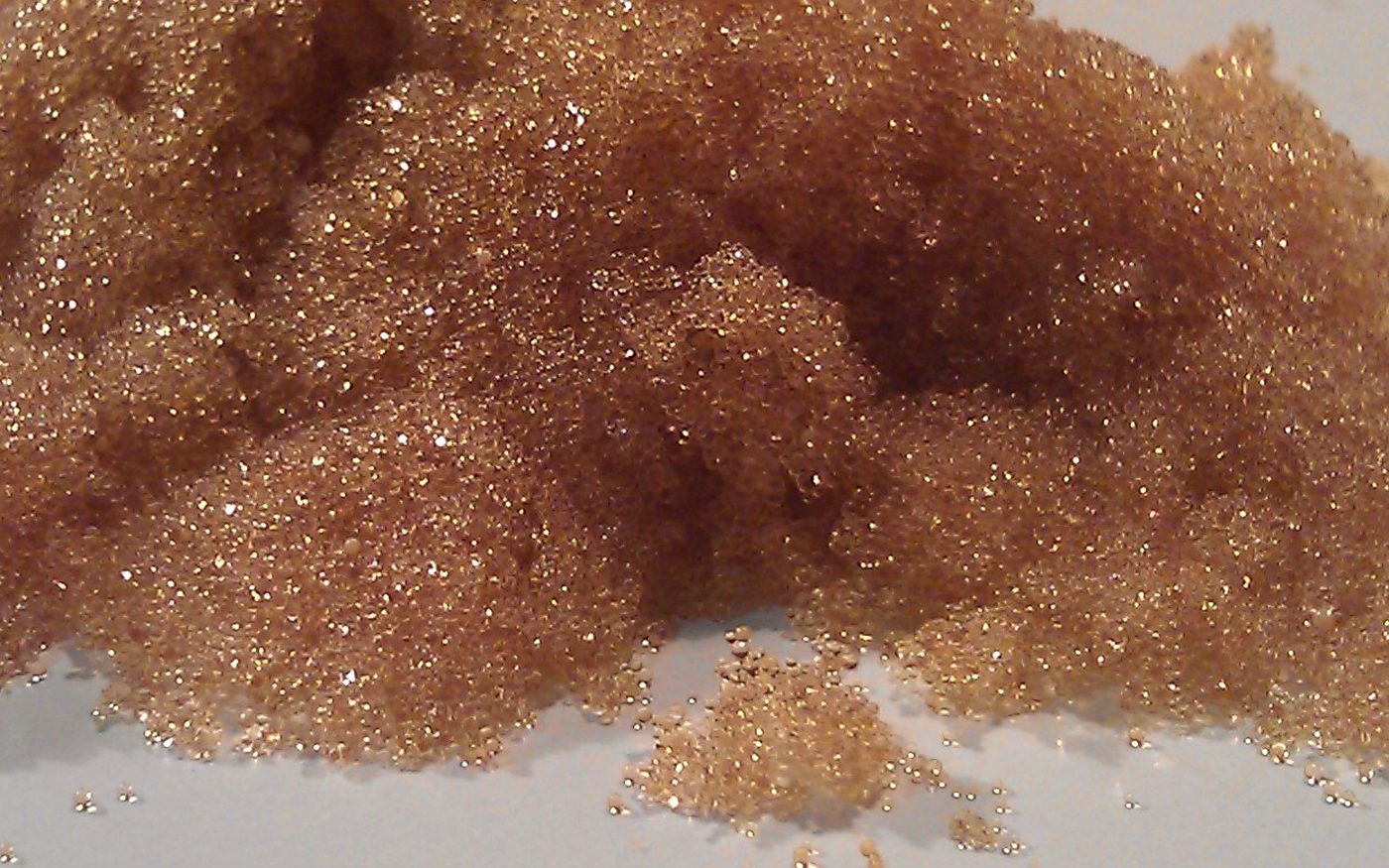
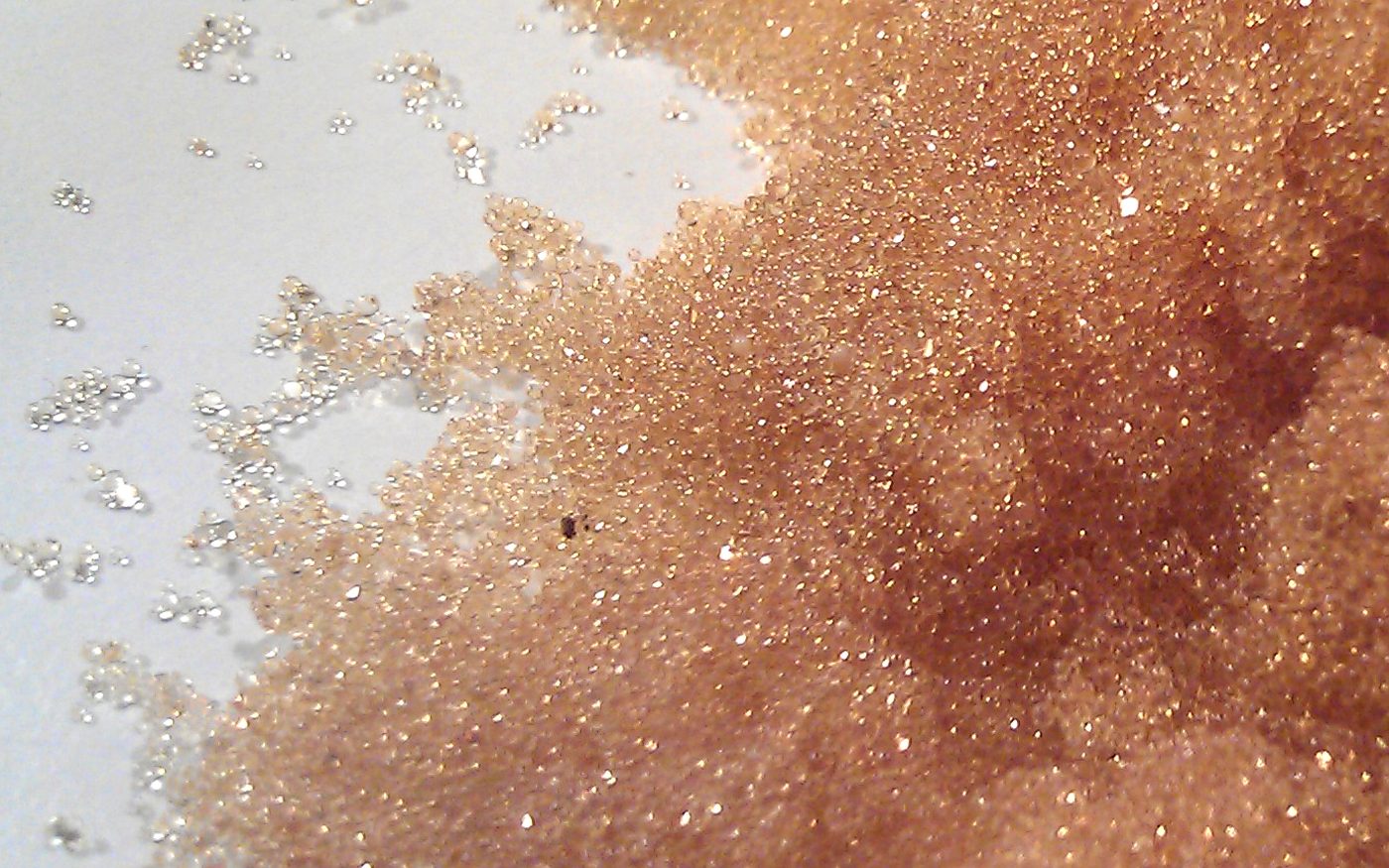
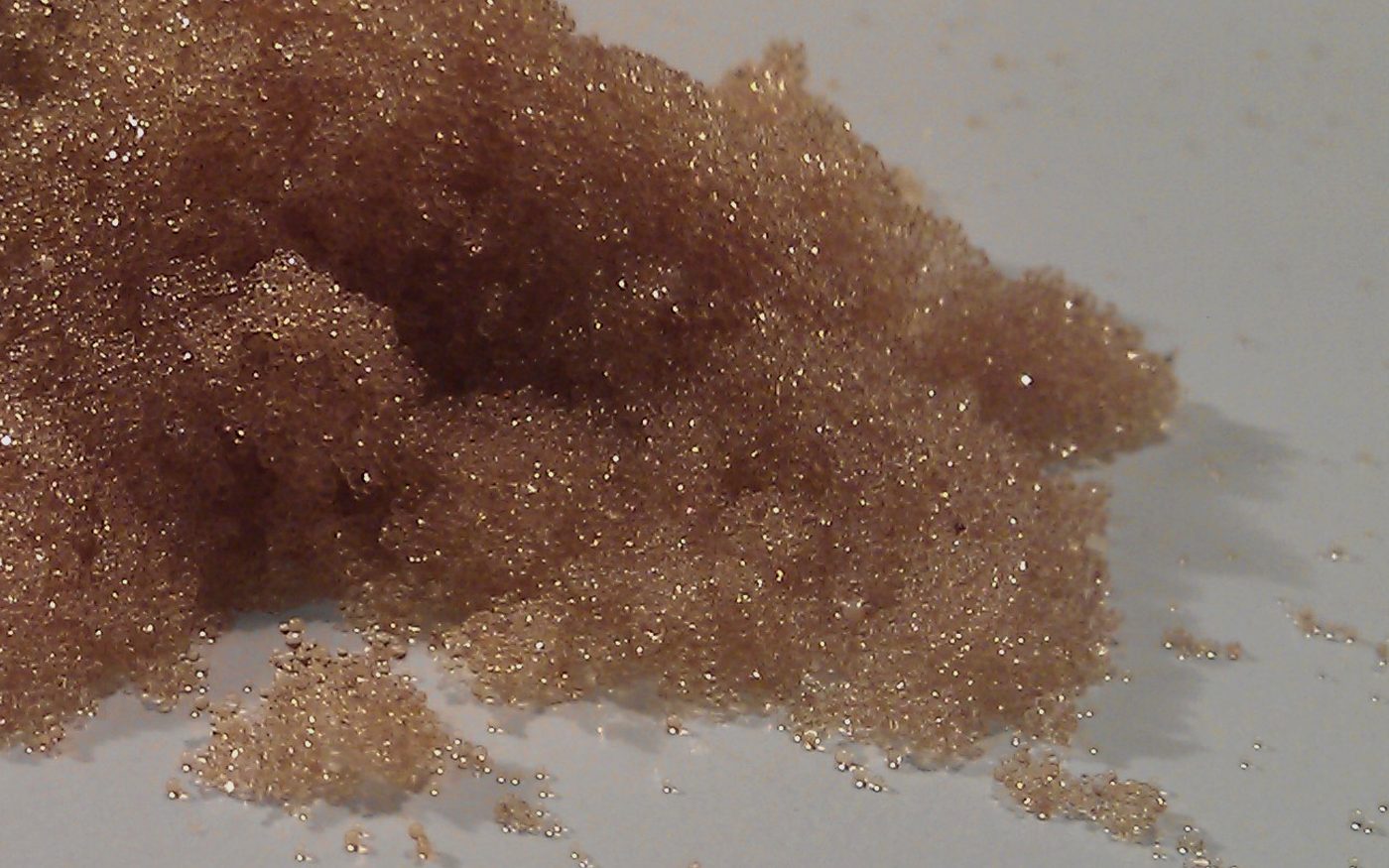
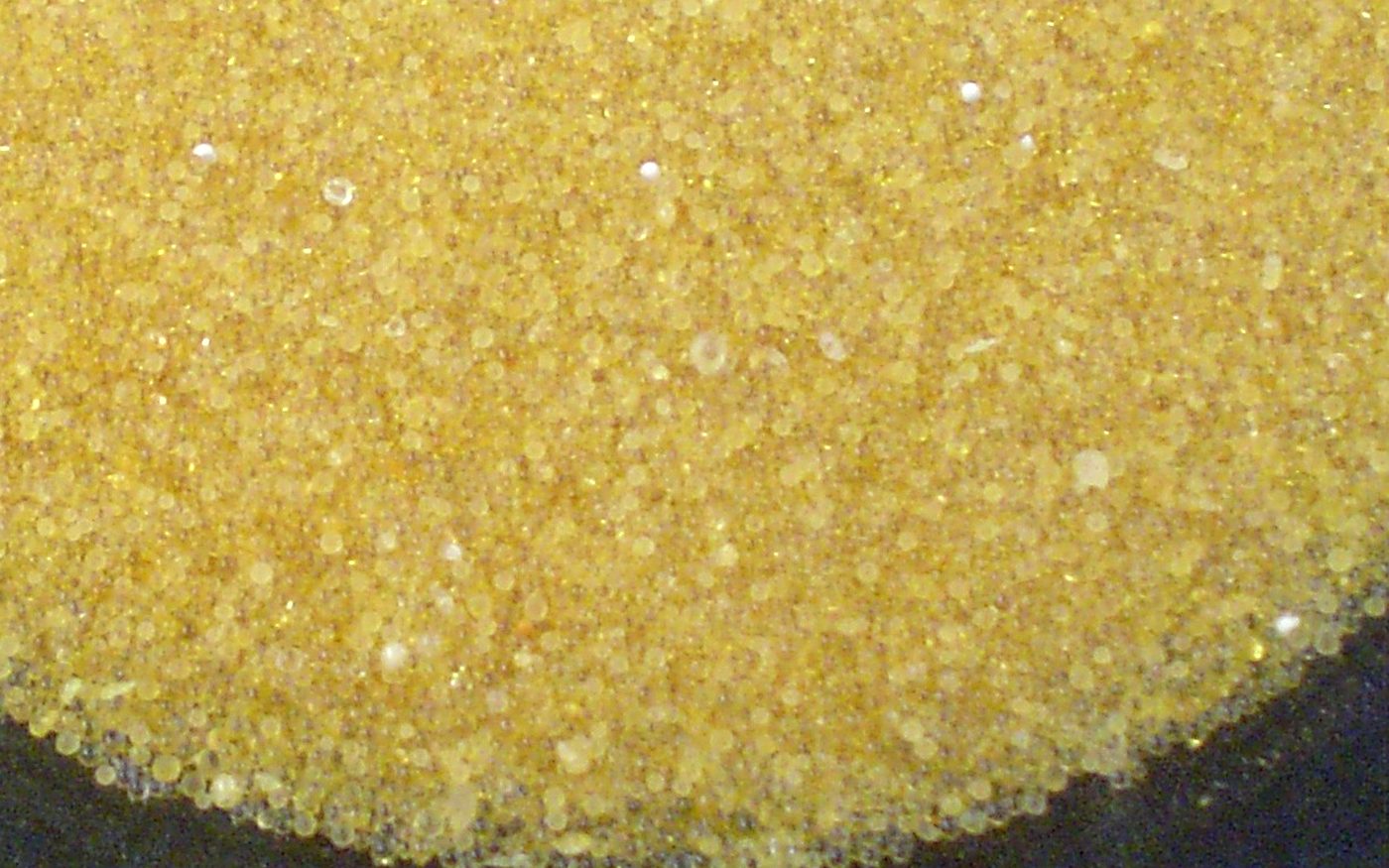
Strong Acid Cation Exchange Resin 001×7
1.8–1.95mmol/mL volumetric capacity
0.40–0.70mm effective bead size
120 °CMax. operating temperature (H⁺)
View spec sheet
10 grades across ten families — cation, anion, mixed bed, chelating, adsorbent and food grade. Every one is quoted with a full technical sheet and a batch certificate of analysis.
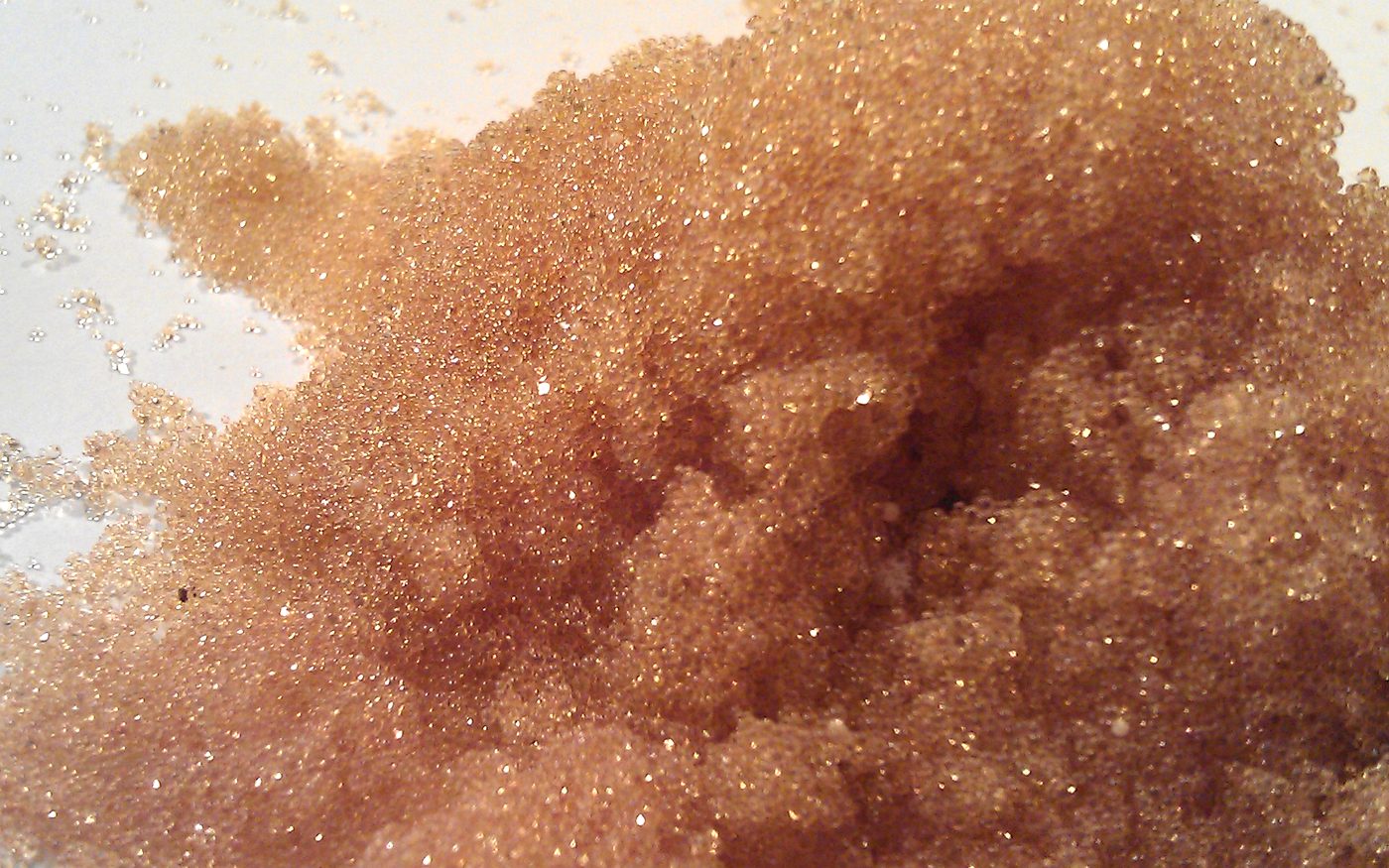
Cation exchange
Sulfonic and carboxylic resins for hardness, alkalinity and metal ions.
Anion exchange
Quaternary and tertiary amine resins for silica, acids and colour.
Mixed bed
Pre-blended, pre-regenerated beds for ultrapure polish duty.
Chelating
Iminodiacetic chemistry for selective heavy-metal capture.
Adsorbent
Macroporous polymers that strip colour and organics.
Food grade
Food-contact grades with extractables data and paperwork.
Not sure which grade
If you are running Purolite, Lewatit, Dowex or Amberlite resin today, send the part number or the technical sheet. We will come back with the closest MAISEN equivalent in a side-by-side table of capacity, moisture, bead size and density — and flag any difference that matters before you buy.
Third-party brand names are the property of their owners and are used for reference only.
Next step
One working day is usually enough for a first recommendation with a price and a lead time. Tell us the application, the flow rate and the target quality — or paste the datasheet you are trying to match.