Anion exchange
Weak Base Anion Resin D301
1.40mmol/mL min. volumetric capacity
≈ 1.1×Caustic vs. theoretical dose
100 °CMax. operating temperature
View spec sheet
Selective capture of heavy metals, even in hard brine.

Overview
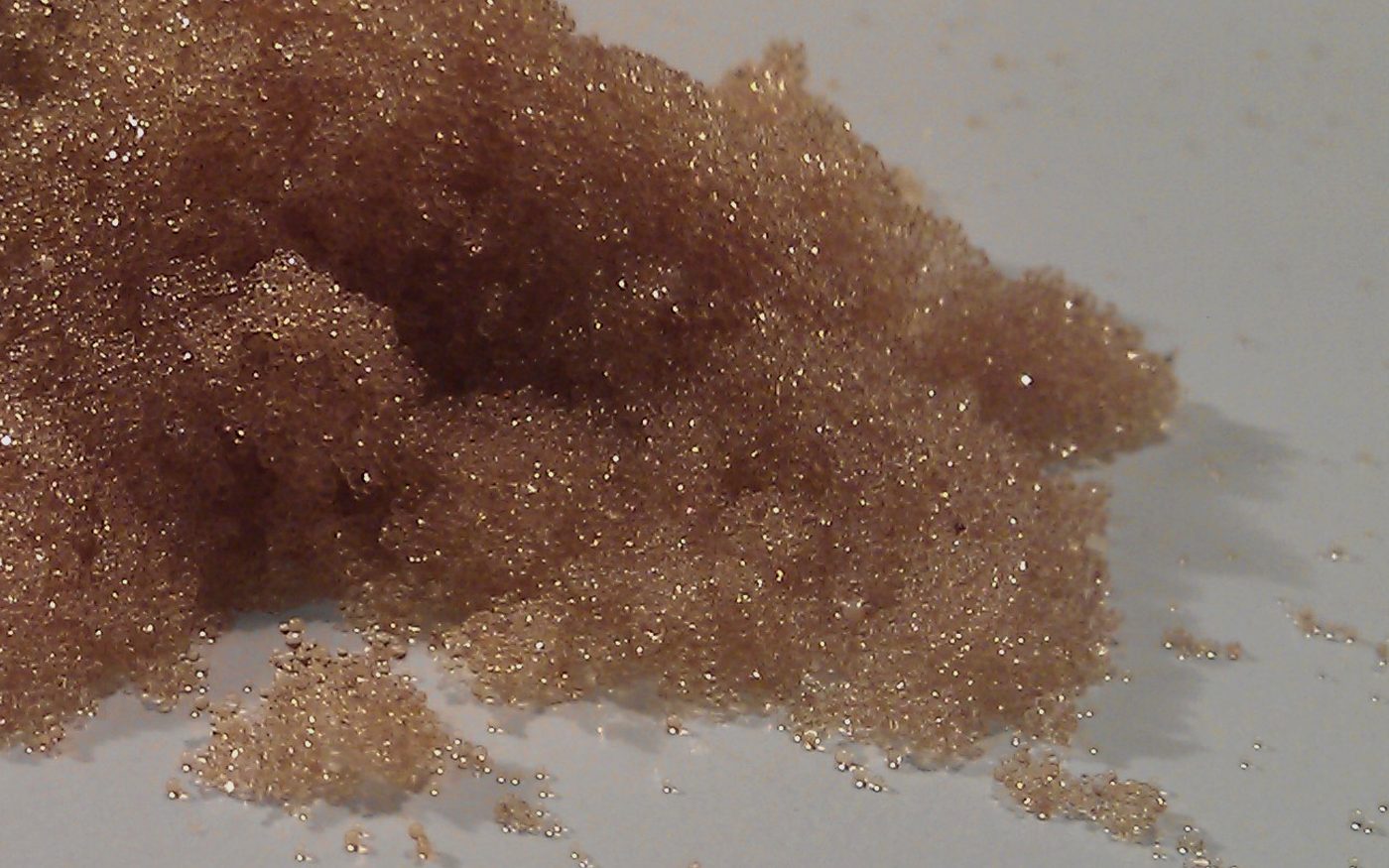
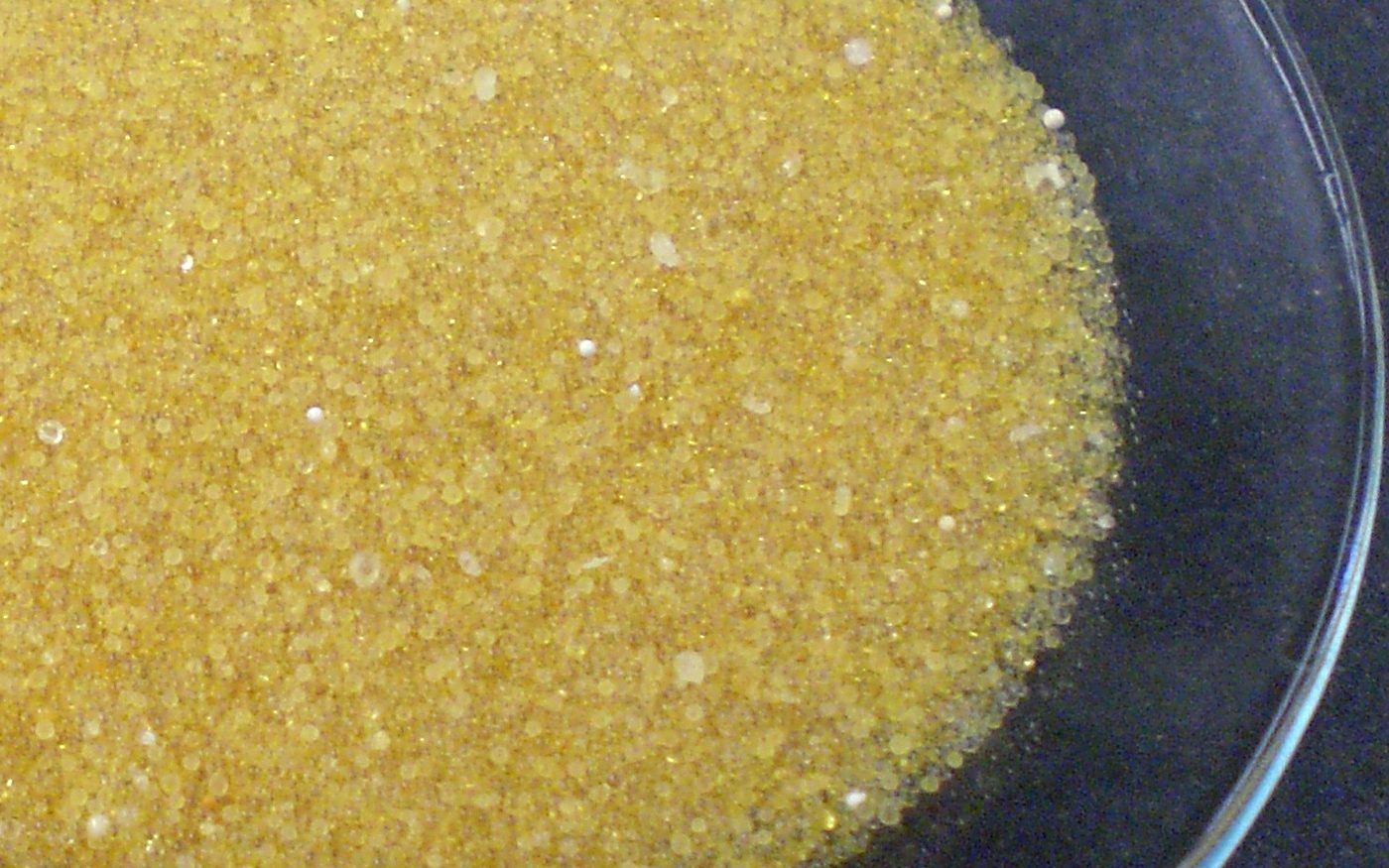
An iminodiacetic acid chelating resin that binds transition and heavy metal ions by coordination rather than simple ion exchange. Because selectivity follows the stability constant, it removes copper, nickel, lead, cadmium, zinc and mercury from solutions where conventional cation resin would be swamped by calcium and sodium.
Batch certificate of analysis is issued for every production lot and sent before shipment on request.
Technical data
Typical values for the grade as shipped. Tolerances are confirmed on the batch certificate. Tell us if you need a tighter bead-size cut or a different ionic form.
| Polymer matrix | Styrene–divinylbenzene copolymer, macroporous |
|---|---|
| Functional group | Iminodiacetic acid (IDA) |
| Ionic form as shipped | Na⁺ |
| Total exchange capacity | ≥ 0.90 mmol/mL (Cu²⁺); ≥ 2.00 mmol/g dry |
| Moisture content | 50–60 % |
| Bulk density | 700–780 g/L |
| Effective bead size | 0.40–0.70 mm (0.30–1.20 mm on request) |
| Uniformity coefficient | ≤ 1.70 |
| Max. operating temperature | 80 °C |
| pH range | 1–13 (selective window pH 2–5) |
| Swelling, H⁺ ↔ Na⁺ | ≤ 20 % |
| Regeneration | 5–8 % HCl, then 4 % NaOH to sodium form |
Values are typical for standard production and are not a substitute for the batch certificate of analysis. For potable-water, food-contact or nuclear applications, request the compliance file before ordering.
Related grades
Next step
One working day is usually enough for a first recommendation with a price and a lead time. Tell us the application, the flow rate and the target quality — or paste the datasheet you are trying to match.