Anion exchange
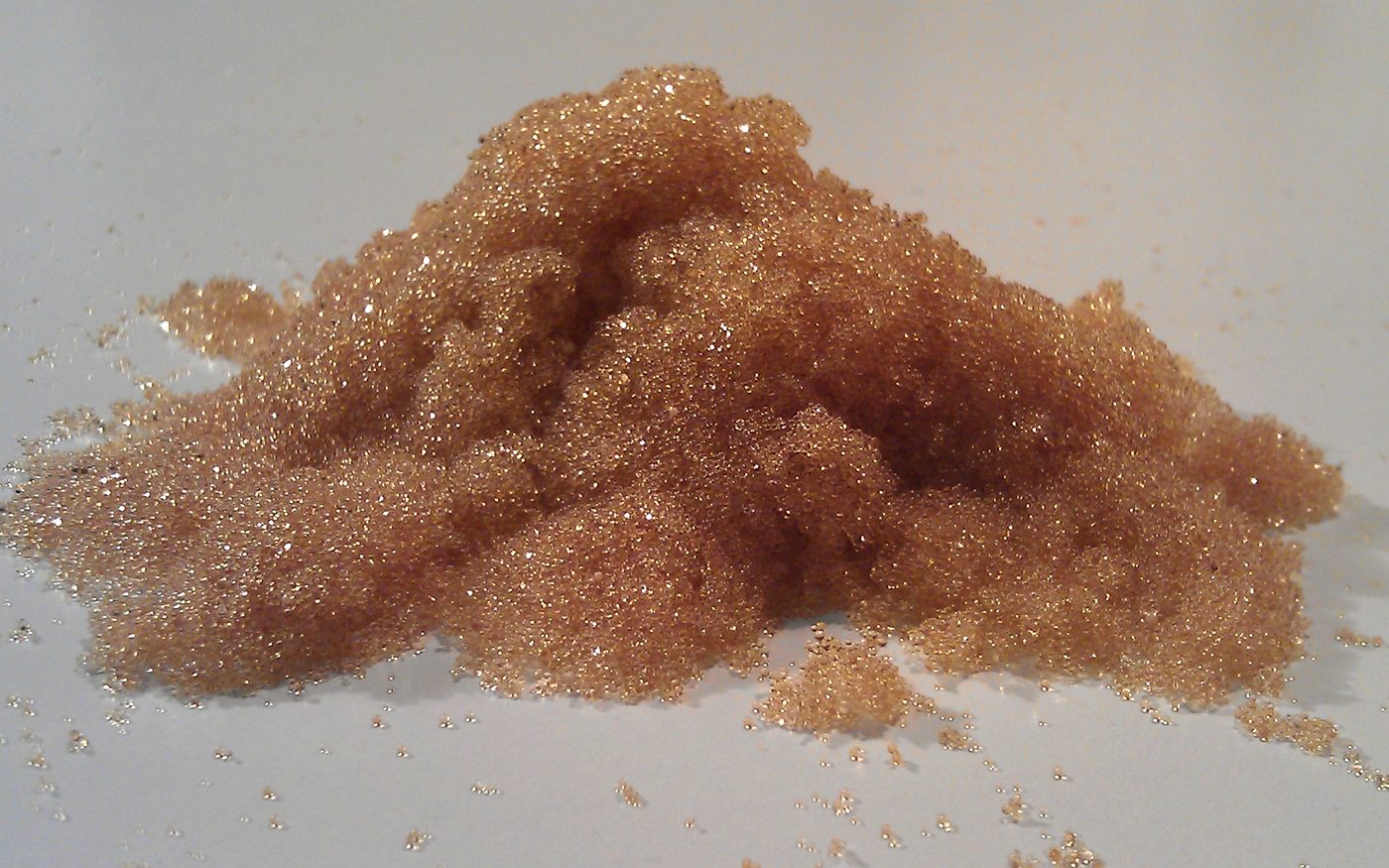
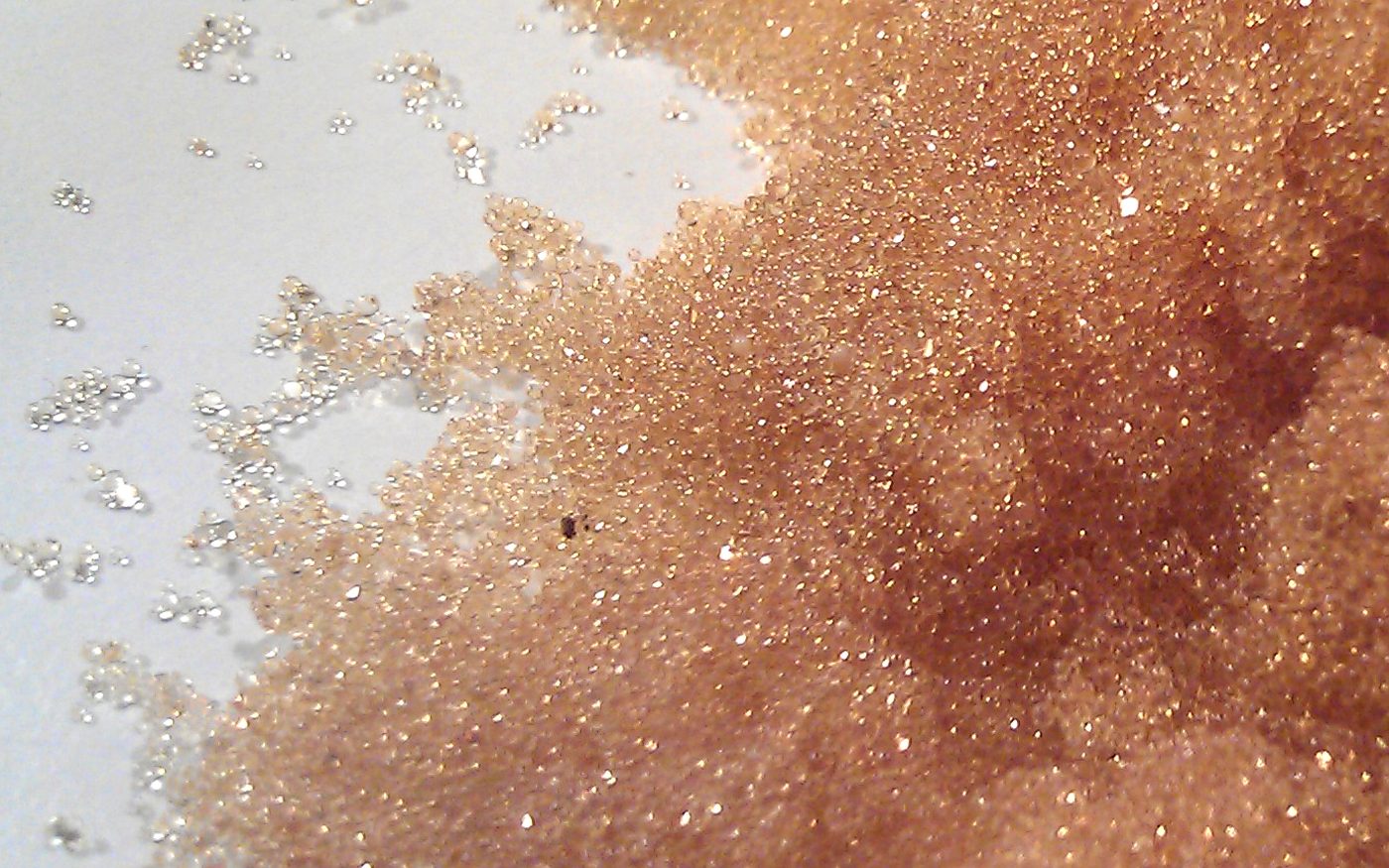
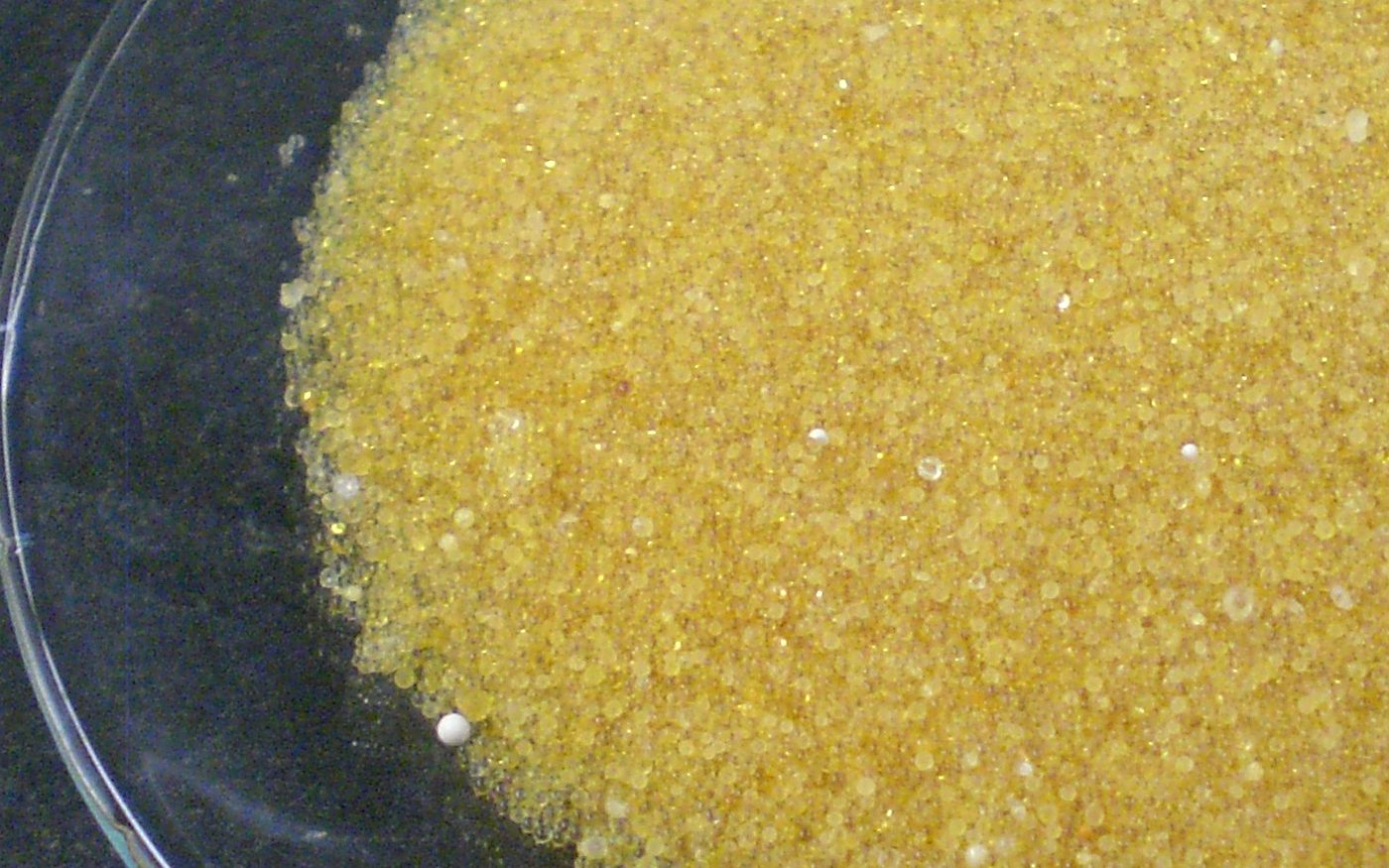
Macroporous Strong Base Anion Resin D201
1.00mmol/mL min. volumetric capacity
20–30m²/g specific surface area
≤ 10 %Swelling on form conversion
View spec sheet
A porous polymer for colour, odour and small-molecule organics.
Overview
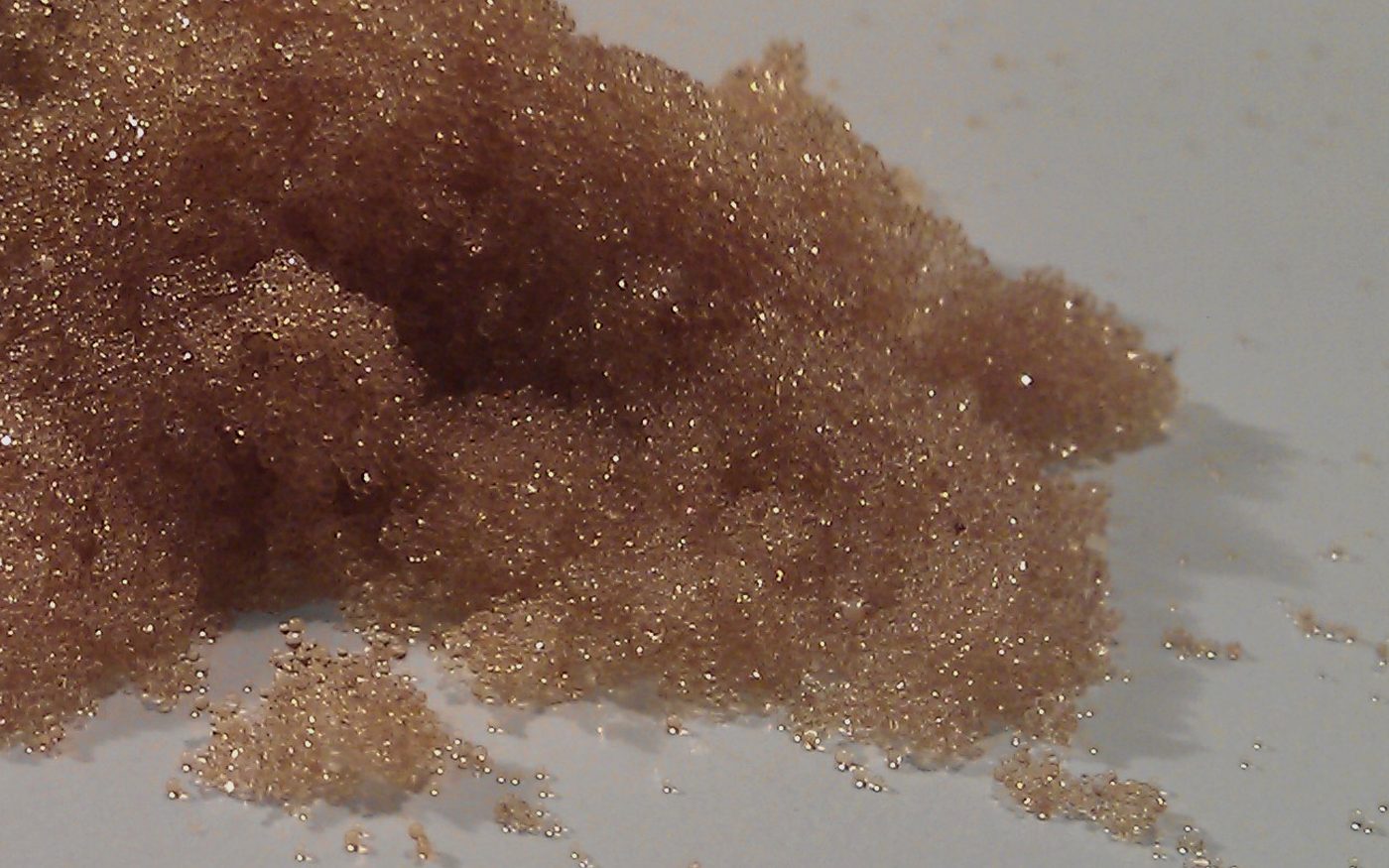
A non-functionalized macroporous styrene–divinylbenzene bead with a high internal surface area. It works by adsorption rather than ion exchange: colour bodies, phenolic compounds, antibiotics and flavour compounds partition into the pore network and are then eluted with solvent or caustic, so the resin can be reused for many cycles.
Batch certificate of analysis is issued for every production lot and sent before shipment on request.
Technical data
Typical values for the grade as shipped. Tolerances are confirmed on the batch certificate. Tell us if you need a tighter bead-size cut or a different ionic form.
| Polymer matrix | Styrene–divinylbenzene copolymer, macroporous, no functional group |
|---|---|
| Functional group | None (adsorption resin) |
| Specific surface area | 480–600 m²/g |
| Pore volume | 1.0–1.3 mL/g |
| Average pore diameter | 8–12 nm |
| Moisture content | 55–65 % (wet) |
| Bulk density | 650–720 g/L |
| Bead size | 0.30–1.25 mm |
| Max. operating temperature | 100 °C |
| pH range | 1–14 |
| Regeneration | Methanol, ethanol or acetone; 2–4 % NaOH for phenolic loads |
Values are typical for standard production and are not a substitute for the batch certificate of analysis. For potable-water, food-contact or nuclear applications, request the compliance file before ordering.
Related grades
Next step
One working day is usually enough for a first recommendation with a price and a lead time. Tell us the application, the flow rate and the target quality — or paste the datasheet you are trying to match.