Anion exchange
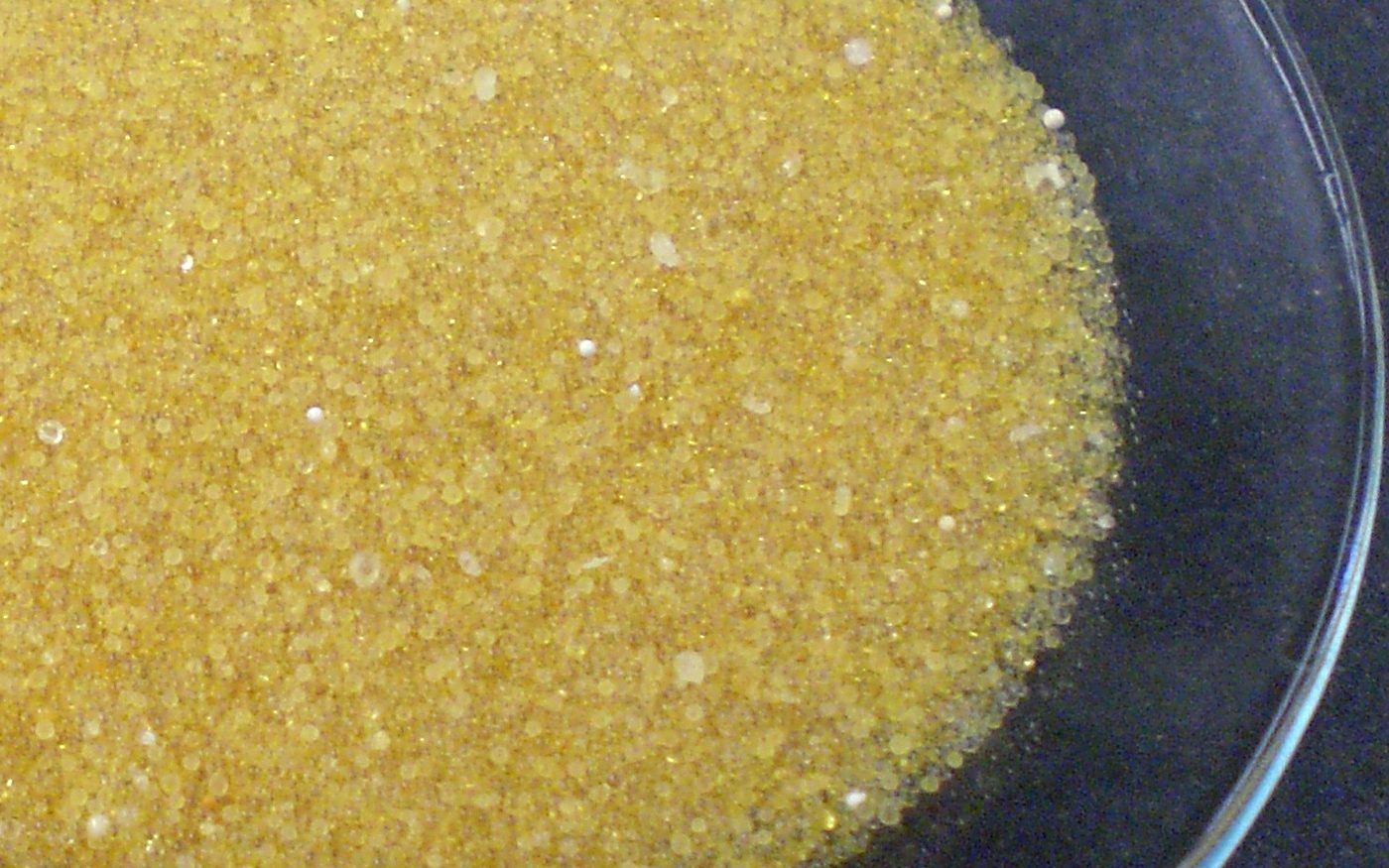
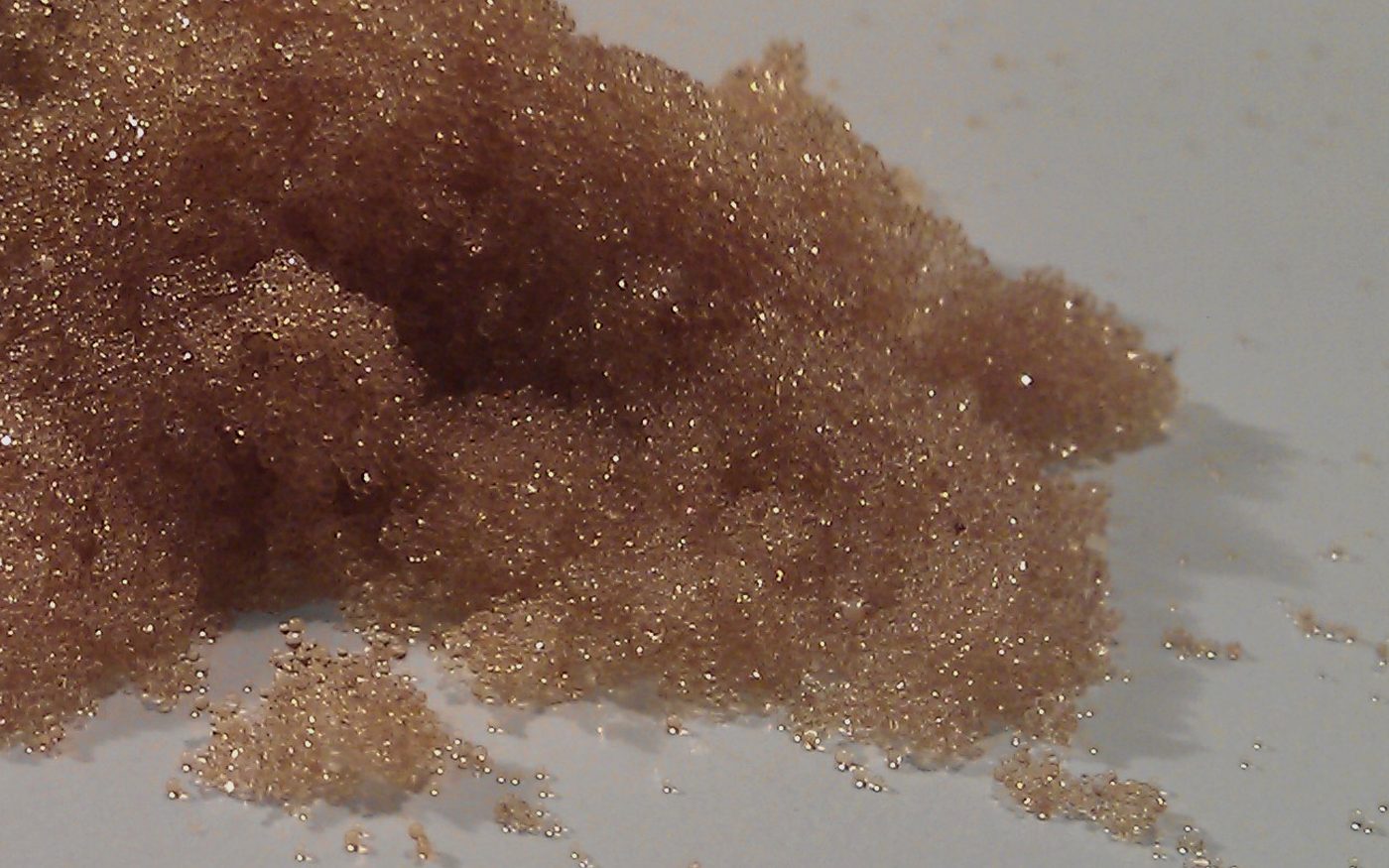
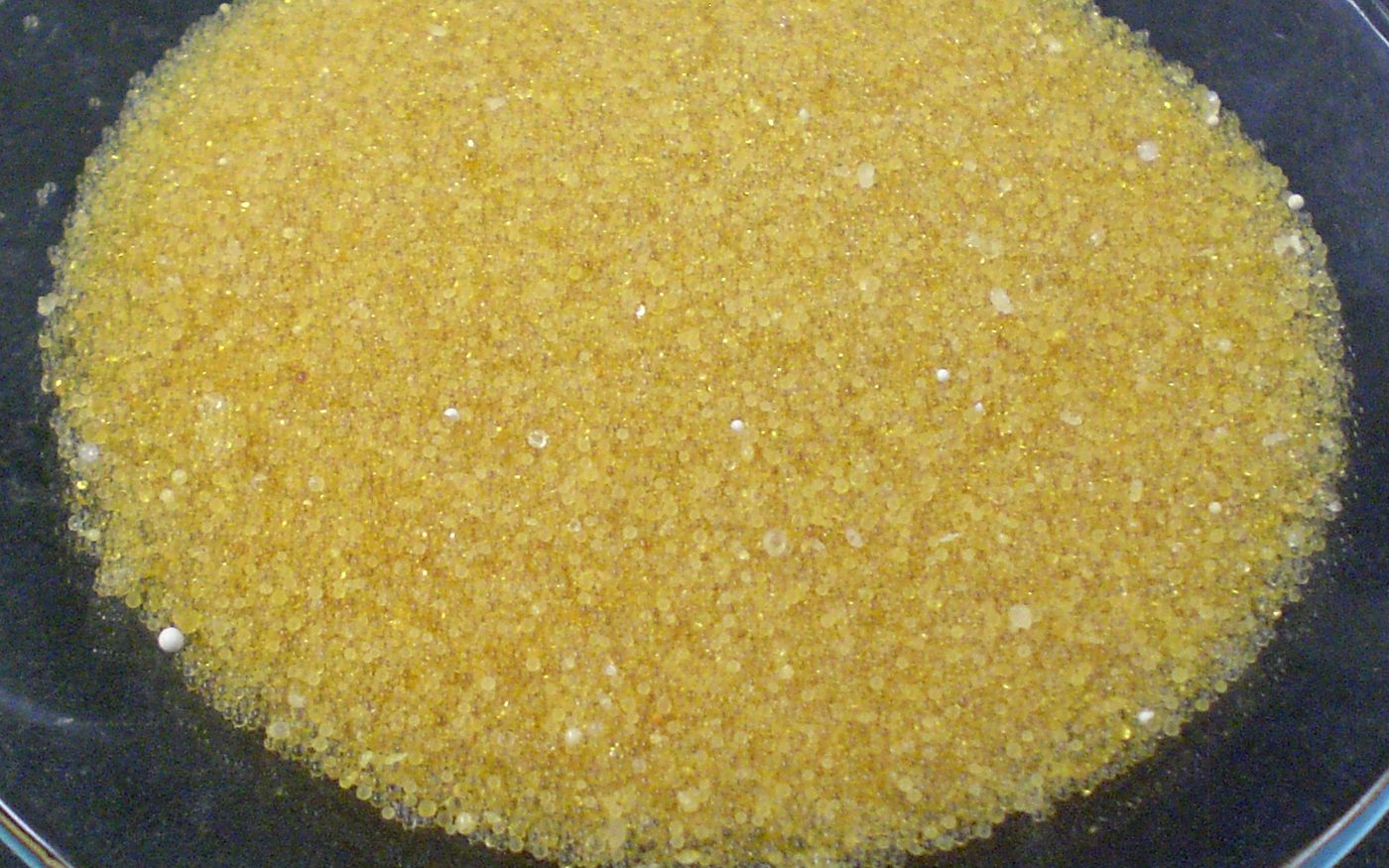
Strong Base Anion Exchange Resin 201×7
1.20mmol/mL min. volumetric capacity
Type ITrimethyl quaternary ammonium
60 °CMax. operating temperature (OH⁻)
View spec sheet
Type I chemistry with the fouling resistance of a porous matrix.
Overview
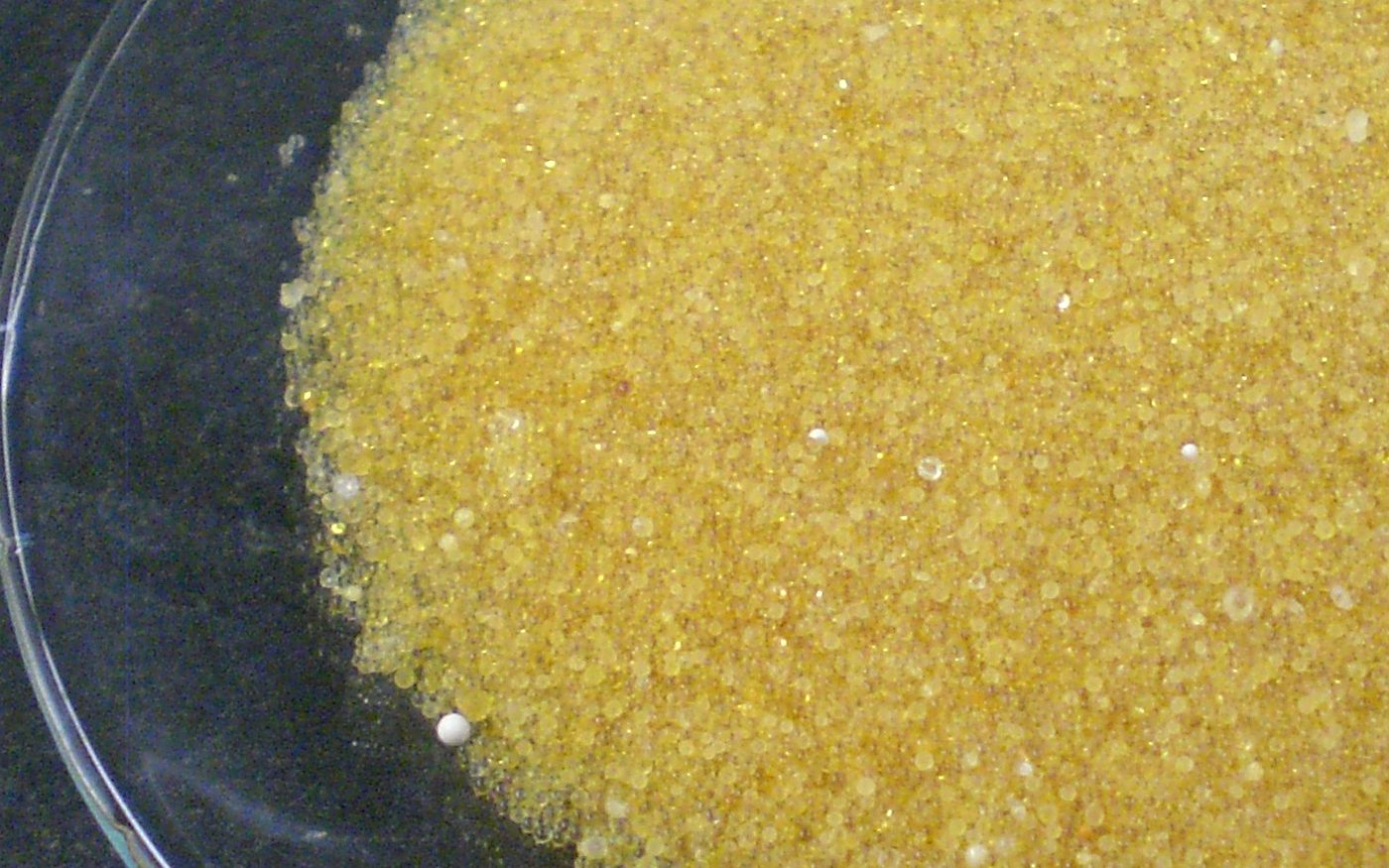
A macroporous Type I strong base anion resin designed for waters where organics, colour or oxidants would blind a gel resin. The permanent pore network keeps exchange sites reachable, extends service runs between caustic regenerations, and gives a longer working life in surface-water and effluent duty.
Batch certificate of analysis is issued for every production lot and sent before shipment on request.
Technical data
Typical values for the grade as shipped. Tolerances are confirmed on the batch certificate. Tell us if you need a tighter bead-size cut or a different ionic form.
| Polymer matrix | Styrene–divinylbenzene copolymer, macroporous |
|---|---|
| Functional group | Quaternary ammonium, Type I |
| Ionic form as shipped | Cl⁻ |
| Total exchange capacity | ≥ 1.00 mmol/mL; ≥ 3.10 mmol/g dry |
| Moisture content | 50–60 % |
| Bulk density | 650–730 g/L |
| Specific surface area | 20–30 m²/g |
| Effective bead size | 0.40–0.70 mm |
| Uniformity coefficient | ≤ 1.60 |
| Max. operating temperature | 60 °C (OH⁻); 80 °C (Cl⁻) |
| pH range | 0–14 |
| Regeneration | 4–5 % NaOH; brine/caustic two-step for organics |
Values are typical for standard production and are not a substitute for the batch certificate of analysis. For potable-water, food-contact or nuclear applications, request the compliance file before ordering.
Related grades
Next step
One working day is usually enough for a first recommendation with a price and a lead time. Tell us the application, the flow rate and the target quality — or paste the datasheet you are trying to match.